

Key facts: Emergency Second Home Drain Backup
- Rarely used fixtures can lose their trap water to evaporation, especially in warm weather, letting sewer gas indoors [1].
- Trap primers are devices that add water to traps automatically to keep their seals intact [2].
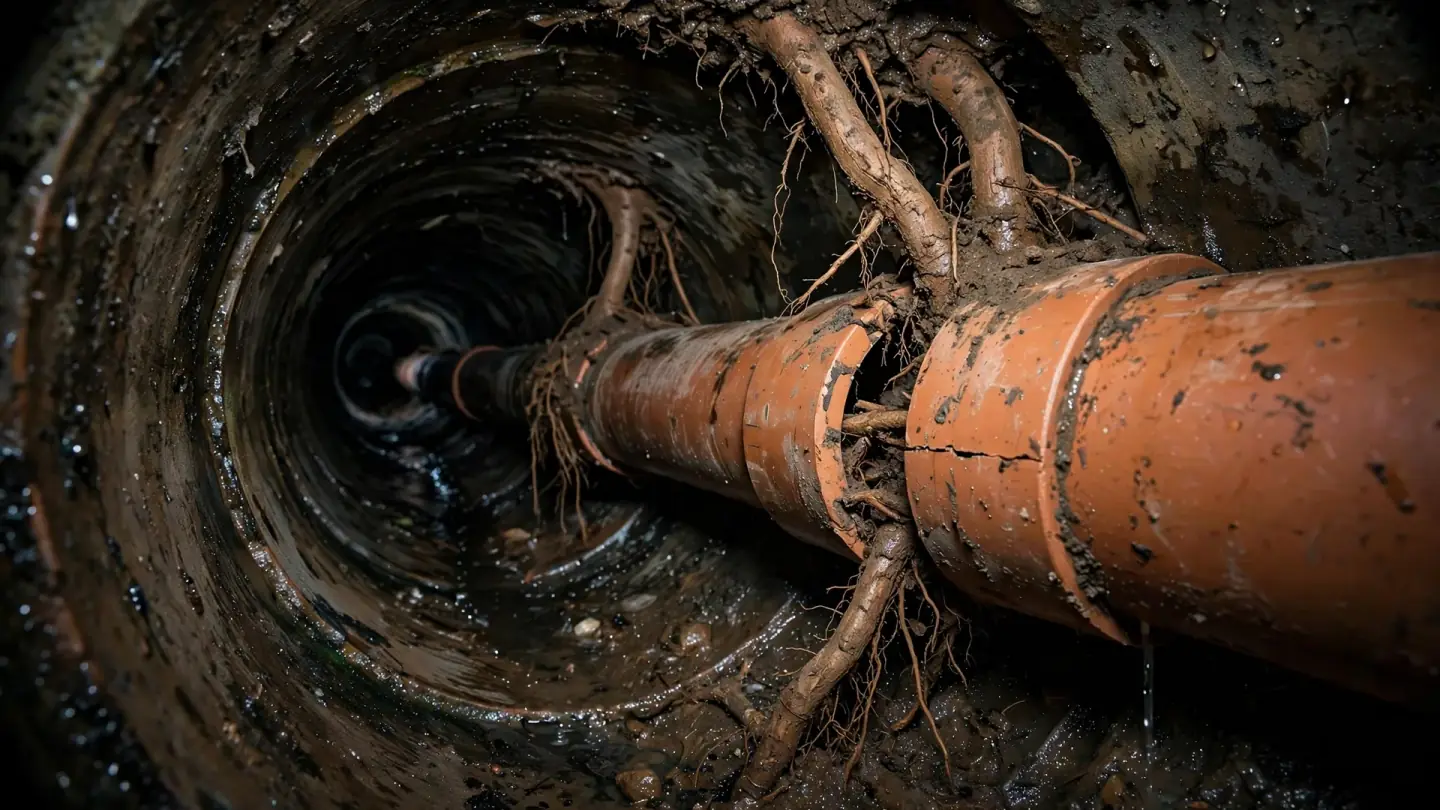
- A leaking sewer pipe can attract a burst of feeder roots, and roots that thicken over the years can crack a pipe [3].
- Henderson homeowners maintain the sewer lateral from the house out to the city main [4].
What's different about this
Why a house left empty backs up in its own way
An occupied home sends water down its drains every day. That flow keeps trap seals full, carries small debris away and gives early warning when a line starts to slow. [2] When a house sits for weeks, all of that stops. A slow clog that would have shown itself as a lazy shower can sit unnoticed, and the first person through the door finds the result.
Three things tend to happen while you're gone. Trap water evaporates, which is the most common way sewer gas gets into a building [1]. Anyone who visits to check the house, such as a neighbor, cleaner or property manager, may flush a toilet into a line that was already narrowing. And outdoors, irrigation keeps running on its timer, so roots near a leaking lateral keep growing toward that moisture [3].
This page covers what to do when you arrive and find a problem. The routine, non-urgent side of keeping spare bathrooms sealed is in the guide to dry p-traps in unused bathrooms.
Warning signs
What you might find when you walk in
Dark ring or residue in the lowest tub
Sewage may have come up and drained back down while you were away, pointing to a main line problem.
Strong sewer smell but dry floors
Trap seals have likely evaporated; refill them before assuming a backup [1].
Standing water in a shower or tub
A blocked line held water that someone ran, or that came up from elsewhere in the house.
Wet stains around a toilet base
A toilet that was flushed into a blocked line may have leaked at its seal.
Damp soil or sinkhole over the yard line
A broken lateral may be leaking outside; note it for the contractor.
Safe immediate steps
A careful first hour back in the house
- 1
Air out and check for gas
If the smell could be natural gas, leave and call the gas utility. If it's clearly sewage, ventilate the house fully.
- 2
Test one clean fixture at a time
Run a little water in a sink you can see into and watch the lowest tub or shower. If it stays dry, try a short shower run next.
- 3
Refill the dry traps
Once a drain proves clear, run it briefly to restore its seal. Pour water into garage and laundry floor drains too.
- 4
Hold off on the toilets
Flush last, and only after sinks and showers drain normally. Watch the tub when you do.
- 5
Ask who visited
Find out whether a neighbor, cleaner or manager used water while you were away, and when.
What not to do
First-day mistakes after a long absence
- Running the dishwasher and washer to catch upBig appliance discharges into an untested line are the classic way to flood a slab-floor home.
- Flushing every toilet to clear the smellIf the main is blocked, each flush adds to the backup in the lowest fixture.
- Pouring drain cleaner into standing waterCaustic products in a backed-up tub make the job hazardous for whoever clears it [5].
- Leaving for another trip without a fixA line that backed up once while empty is likely to do it again.
When to call
Signs you need help before unpacking
- There is sewage, or a sewage ring, in any tub, shower or floor.
- Water rises in one fixture when you run another.
- The smell stays strong after traps are refilled and the house is aired.
- A toilet seal has leaked onto flooring.
- You're leaving again soon and want the line checked first.
The visit
What does a contractor check after a backup in an empty house?
The independent contractor will usually start by finding the outdoor cleanout and clearing the main line, since a backup found after an absence is often in the lateral rather than one fixture. They may use a cable or a drum machine with a cutting head if roots are suspected. The planned side of this work is on main sewer line cleaning, and other urgent cases are on emergency drain cleaning.
Once the line is open, a camera look is worth asking about. It shows whether roots, a sag or a cracked joint caused the backup, which matters if the house will sit empty again. The sewer line inspection page explains what that involves.
Ask the contractor what to do before your next trip: whether a trap primer, trap seal inserts or a scheduled cleaning makes sense for your home.
Henderson factors
Why this happens so often in Henderson
Henderson has a hot desert climate, with July highs that average around the low hundreds Fahrenheit and very little rain [6]. Closed-up houses get hotter still inside, so trap water evaporates faster than it would in a cooler city. A spare bath or a garage floor drain can be dry well before a long trip ends [1].
Some Henderson owners split the year between Nevada and somewhere cooler, so a house can stay closed through the hottest months.Desert landscaping is usually watered on a timer, and a Nevada extension horticulturist notes that local landscape trees root mostly in the upper soil and spread sideways, sending feeder roots toward any leaking pipe [3].
The line from the house to the city main is the owner's to maintain in Henderson [4], so a backup found on return is usually a private repair. Other urgent pages are on the emergency hub.
FAQ
Second home drain questions from Henderson owners
Answers for owners of homes that sit empty; more on the [questions hub](/faq/). See [all emergency topics](/emergency/).
Why does my Henderson house smell like sewage every time I come back from a trip?
A house that smells of sewage after each trip usually has trap seals that dried out in the heat while it sat empty [1]. Without that water, sewer gas comes up through the drains. Run every sink, tub and shower briefly and pour water into floor drains. If the smell stays, call a contractor.
Is it safe to flush the toilets when I get home after months away?
Flushing is usually safe once sinks and showers drain normally, but test them first and flush last. If a tub or shower shows a dark ring or standing water, the main line may be blocked, and a flush will add to the backup. Call before using the toilets in that case.
How can a drain clog while nobody is living in the house?
A drain can clog in an empty house because the clog was already forming before you left, and someone checking on the house added water to it. Roots near a leaking lateral can also keep growing on irrigation water [3]. Without daily use, nobody notices the slowdown until it backs up.
What should I ask a house sitter to do with the drains while I'm away?
Ask a house sitter to run each sink, tub and shower for a short while every week or two, and pour water into garage and laundry floor drains. That keeps trap seals full. Ask them to report any standing water, gurgling or smell right away rather than flushing repeatedly.
Can I have my sewer line checked before leaving for the summer?
Yes, a camera inspection before a long absence can show roots, sags or cracks that might cause a backup while you're gone. Ask the contractor whether a cleaning first makes sense. The sewer line inspection page explains what the visit involves and what you can learn from the footage.
Will my homeowner's insurance cover a backup found after a long trip?
Coverage for a backup found after a trip depends on your policy and any sewer backup endorsement, so ask your insurer. Some policies have conditions about homes left vacant. Photograph everything before cleanup and keep records of when the house was last checked. The contractor can document what caused the backup.